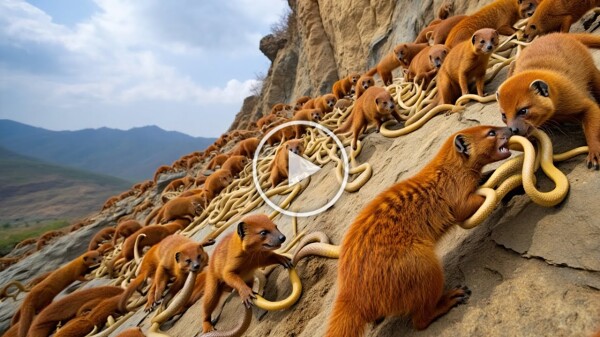
Japan made a controversial decision two decades ago to introduce mongooses as a biological control measure against the burgeoning snake population on its islands. The rationale behind this move was rooted in the belief that mongooses, being natural predators of snakes, would help to mitigate the ecological imbalance caused by the rapid increase in snake numbers. This initiative was seen as a potential solution to protect local wildlife and agricultural interests, as snakes were preying on small animals and disrupting farming activities. However, the introduction of a non-native species often comes with unforeseen consequences, and this case was no exception.


As the years progressed, the impact of the mongooses on the ecosystem became increasingly evident. Instead of solely targeting snakes, the mongooses began to prey on a variety of native species, leading to a decline in local wildlife populations. Birds, small mammals, and reptiles that had coexisted for generations found themselves at risk due to the new predator in their environment. The ecological balance that the introduction of mongooses aimed to restore was, in fact, disrupted further, resulting in a complex web of challenges for conservationists and wildlife managers who were now faced with the task of addressing the unintended consequences of this well-intentioned intervention.
In the aftermath of this ecological experiment, Japan has had to reassess its approach to wildlife management and invasive species control. The situation serves as a cautionary tale about the risks associated with introducing non-native species into an ecosystem, highlighting the importance of thorough research and consideration of long-term effects before implementing such measures. As the country continues to grapple with the repercussions of the mongoose introduction, it underscores the need for a more nuanced understanding of ecological interactions and the delicate balance that sustains biodiversity.
Apache Great White Shark.
Crocodile World Erha.
cat kisses a mouse.
